Safer Charging calls time on Britain’s forgotten EV chargers ahead of 2030 deadline
Hundreds of thousands of private EV chargers at workplaces, depots, offices, apartment blocks, homes and public sector sites have not been inspected since the day they were installed, Safer Charging estimates.
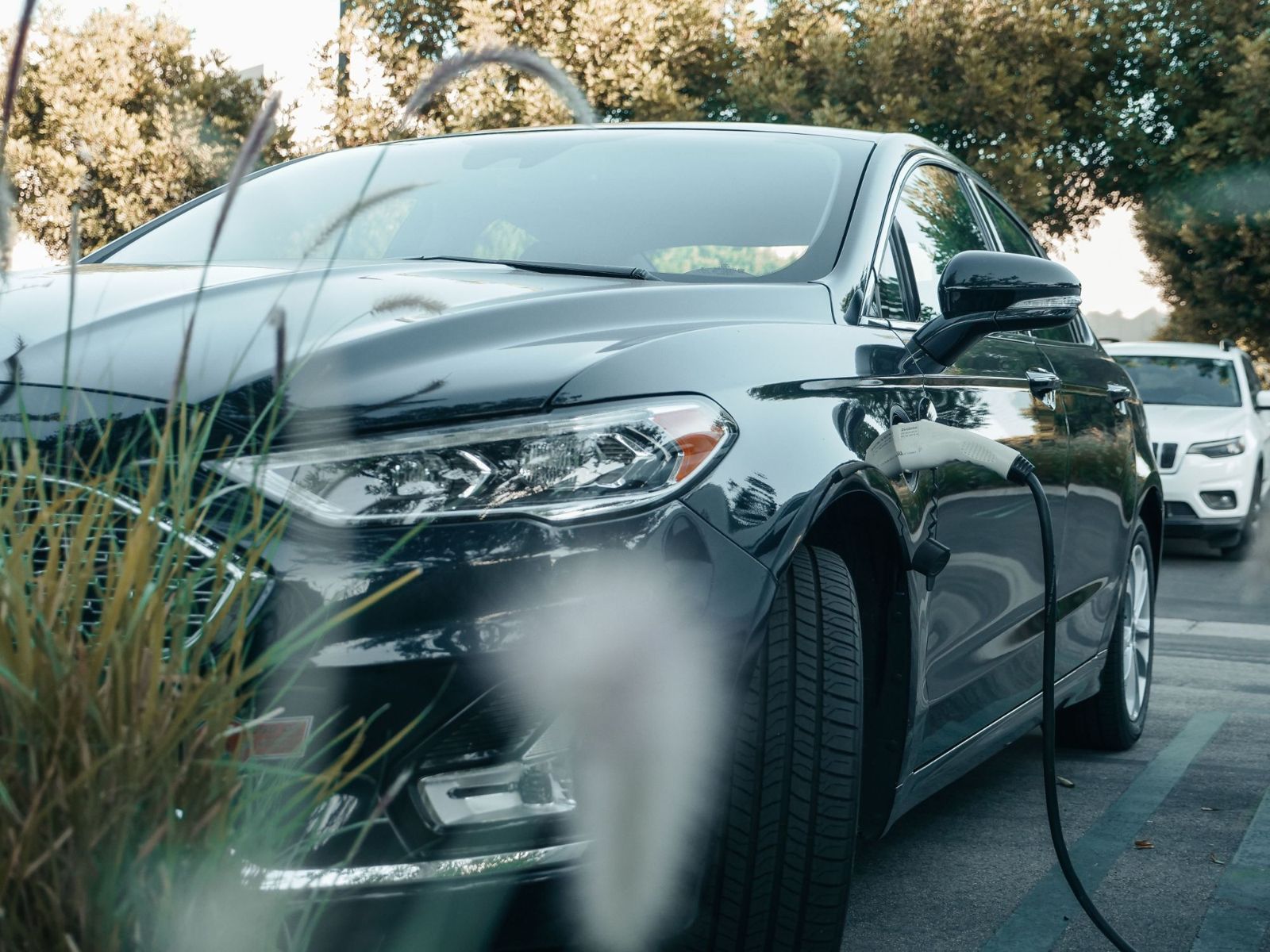
Key points
- These private chargers handle much of the UK’s everyday charging and will play a growing role in balancing the grid as Britain works towards its decarbonisation targets.
- Public rapid chargers must legally work 99% of the time, but the private chargers that most drivers and businesses rely on have no equivalent rule.
- Looking after them often falls to a facilities manager or managing agent with no specialist knowledge or time to dedicate.
- Insolvent installers, manufacturers leaving the UK market and expired warranties are leaving organisations that invested hundreds of thousands of pounds with chargers that nobody is responsible for keeping in service.
- Safer Charging, the UK’s hardware-agnostic maintenance and compliance specialist, is helping site owners nationwide get neglected chargers back in service, assess fire risk and protect their existing investment.
LONDON, UK, 10 November 2026: Safer Charging, the UK’s EV charge point maintenance specialist, is warning that the private chargers most drivers rely on are increasingly being left with no one to maintain them, and that this ‘missing middle’ could undermine confidence in Britain’s switch to electric.
Under the government’s ZEV mandate, 80% of new cars sold must be zero emission by 2030, when sales of new pure petrol and diesel cars end. Regardless of any target tinkering, vehicle electrification is inevitable. Most EV drivers rely on charging where they live and work. If those chargers fail, drivers lose confidence and the transition risks stalling.
By contrast, public operators must keep their rapid networks working 99% of the time under the Public Charge Point Regulations 2023, while large delivery fleets lose money every hour a vehicle sits off the road, so both have every reason to get faulty chargers fixed fast. The private chargers run by everyone else have no such rules and their upkeep is usually one job among many for someone without charging expertise.
Chris Cheetham, founder and CEO of Safer Charging, said:
“Businesses, landlords and public bodies have invested hundreds of thousands of pounds in charging, yet in many cases there’s no one really owning the long-term interests of looking after it properly. The first and second waves of chargers are now ageing: warranties are running out, installers may have gone bust and taken their maintenance contracts with them, and some manufacturers have left the UK altogether, leaving orphaned chargers with nobody to fix them.
“Public networks get all the attention because the regulations force them to, while this missing middle of private networks doesn’t get the attention it deserves. If people can’t rely on the chargers where they work and live, Britain’s switch to electric will stall.”
If people can’t rely on the chargers where they work and live, Britain’s switch to electric will stall.
What is at stake for site owners
- Downtime. Unmaintained chargers break down, leaving drivers and fleets without charging and pushing them onto expensive public rapid chargers.
- Liability. Neglected chargers can also fall out of compliance, creating liability for the site owner.
- Fire preparedness. EVs are far less likely to catch fire than petrol or diesel cars, but when they do, toxic gases and firewater run-off are major risks. Safer Charging’s independent fire risk assessments give sites practical, often low-cost steps to be better prepared, and front-foot evidence to show insurers which standard commercial assessments frequently overlook.
Three questions every site owner should be able to answer
- Who is responsible for maintaining each charger on our site?
- When was each charger last inspected, and is there a record?
- If our installer or manufacturer disappeared tomorrow, who would fix them?
If the answer to any of these is “we don’t know”, Safer Charging recommends starting with an audit of your charging estate.
How Safer Charging helps
Safer Charging audits the whole estate, then maintains, inspects and repairs chargers from any manufacturer. It respects a business’ existing hardware, and pledges never to recommend replacing chargers unless it is the most economical choice, avoiding the cost and waste of ripping out working hardware just because its warranty has ended.
Its own Arcane Charging Connect platform monitors chargers live, spots faults early and dispatches engineers. Plans range from pay-as-you-go call-outs to all-inclusive cover, with its popular Core plan typically £12 per socket per month including all software, support and proactive maintenance works.
Safer Charging works with businesses and public sector bodies across the UK, including Kent and Essex Police, where it has delivered EV fire risk assessments and specialist maintenance reviews, and has worked with organisations that together manage around 1.5 million chargers.
ENDS
About Safer Charging
Safer Charging is the UK’s specialist in EV charge point maintenance, inspection and compliance. Chris Cheetham, who has worked in EV charging since 2016, founded the company in 2024 after seeing that nobody in the UK owned charger maintenance, and that aftercare was too often forgotten once the installer had moved on. Based in Bedfordshire and working nationwide, it is independent and hardware and software agnostic.
The company’s clients include blue-light services such as Kent and Essex Police, and it is guided by a heavyweight advisory board: Gill Groves (née Nowell), co-founding director of EVA England and founder of Global Women in EV Day; Chris Chandler, fleet and sustainable transport consultant and a GreenFleet 100 Most Influential name for seven years running; and Andy Murdy, who brings 30 years of health and safety experience across the power sector at CEGB, Powergen and E.ON.
It also runs the Arcane Charging Academy, which offers independent EV charging training, is SafeContractor accredited and a UK StartUp Award & Great British Entrepreneur Awards finalist in 2025 and 2026.
ChargeSafe, the UK safety and accessibility rating for public charging sites, now sits under the Safer Charging umbrella. Founded in 2021 and used by networks including Osprey and Gridserve, it independently scores public charging hubs on safety and accessibility and shows operators how to improve. For operators, it offers an independent benchmark backed by a specialist maintenance business; for drivers, a clearer signal of which public chargers are safe and easy to use.
Media enquiries
- Press contact: hello@safercharging.co.uk
- Chris Cheetham is available for comment on charge point safety, maintenance and accessibility.

Written by Safer Charging
The UK specialists in EV charge point maintenance, technical surveys, fire risk and compliance.
Follow on LinkedIn